Structural Maintenance & Heritage Works

Structural Maintenance & Heritage Building Works

Repairing and finishing the job safely and to the highest standards, wherever it sits on the building.

Overview

What this covers

Water ingress and structural decay don't wait for scaffolding to go up — and on heritage buildings, the wrong materials or methods can do more harm than the original problem. We carry out concrete repair, weatherproofing and masonry repointing using access techniques suited to the structure, including on listed and heritage buildings where a low footprint matters.

This is core to what CDL does: the access gets us there, but the structural and heritage knowledge is what actually protects the building afterwards.

We work across everything from Victorian industrial buildings and church towers to modern commercial blocks — the common thread is a structure with a maintenance issue at height that standard scaffolding makes slow or expensive to reach.

Why It Matters

The compliance & practical drivers

Untreated water ingress leads to far more expensive structural problems later
Heritage buildings need materials and methods that respect the original construction
Access via rope or MEWP means repairs can happen without full scaffolding
The wrong repair material can trap moisture and accelerate decay rather than stop it
Insurers and building surveys increasingly flag deferred maintenance as a real risk
What's Included

The work itself

Concrete testing and repair
Weatherproofing and water ingress solutions
Masonry repair and repointing
Heritage building maintenance
Building condition surveys
Rendering and re-rendering
Roof and parapet repair
Emergency structural repairs
Who It's For

Who we do this work for

Heritage Sites
Churches
Local Authorities
Developers
Commercial Building Management
Our Approach

Materials and methods matched to the building

Heritage and older buildings were often built with lime mortars and breathable materials that need repairing in kind — using modern cement-based products on a Victorian facade can trap moisture and cause more damage than it fixes. We assess the existing construction first and match materials and methods to it, rather than defaulting to whatever's quickest.

Where a spider-boom MEWP can reach the repair area, we use it in preference to scaffolding — faster to mobilise, less disruptive to occupants below, and no lengthy scaffold license process with the local authority on listed buildings.
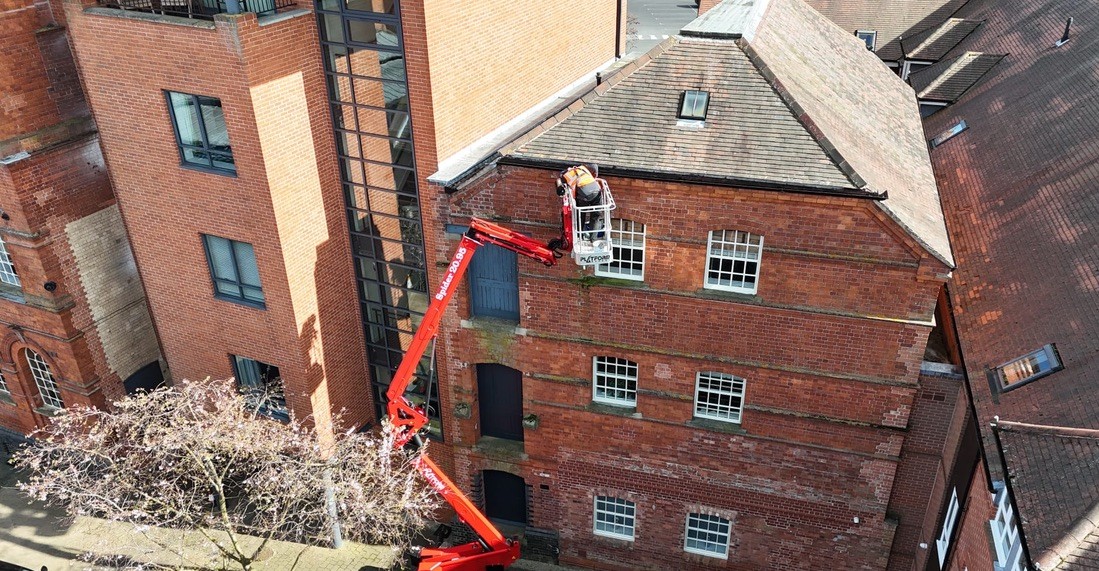
Spider-boom MEWP reaching a heritage building gable for structural repair work
FAQs

Common questions

Signs your chimney or building needs repointing?

Crumbling or missing mortar, damp patches appearing inside, and loose masonry are the most common signs. Left untreated, water ingress through failed pointing leads to much larger structural repairs.

Do you work on listed or heritage buildings?

Yes — heritage work is core to what we do, using materials and low-footprint access methods appropriate to the building's age and listing status.

Can structural repairs be done without scaffolding?

Often, yes. Where the repair area is reachable by a spider-boom MEWP or rope access, we can carry out concrete, masonry and weatherproofing repairs without the time and cost of a full scaffold — particularly useful for listed buildings where scaffold licensing can take weeks.

Get a specialist team on your building

Tell us about your project and we'll come back with a clear, documented quote.

Request a Quote